Invest in Russia — invest in Russian regions!
All analytics

Strong fiscal rules in the EU do not guarantee good fiscal health

Research
19 March 2019
Жёсткие бюджетные правила не гарантируют устойчивость бюджетов стран ЕС
Source
Release date
01/21/2019
Topics
Open PDF

According to the European Rating Agency (ERA) analysts, the EU countries have developed the strongest global fiscal framework. They use three types of fiscal rules: budget rules setting limits on government structural deficits (typically 0.5% GDP), debt rules setting limits on debt-to-GDP ratios (60%), and expenditure rules setting targets for the growth of government expenditures (based on the growth of potential GDP).

Eurozone countries have stronger fiscal frameworks. They all have at least a budget rule incorporated in their national legislatures. Some non-eurozone countries voluntarily opted to join the eurozone fiscal framework. Three non-eurozone countries, however, have no adequate fiscal rules at all.

Strength of the fiscal rules is highest in Italy and Spain. Bulgaria and Estonia are in third place. The weakest frameworks are present in the United Kingdom and Hungary.

The assessment of the compliance with the fiscal rules shows a very different picture compared to the strength of the fiscal rules. The lowest compliance is in Italy, followed by France and Spain. The compliance with fiscal rules is highest in Sweden followed by Malta and Ireland.

Based on their research, the experts have come to a conclusion that strong debt rules do not guarantee sound public finances. The relationship between the strength of the debt rules and the compliance with the EU benchmarks is very weak. According to ERA’s assessments, fiscal rule has a positive influence on sovereign creditworthiness but the experts also analyze the willingness of the governments to exploit the flexibilities of fiscal rules when assessing sovereign creditworthiness.

The authors also state that governments are less willing to comply with fiscal rules when unemployment is high. In fact, unemployment rate is the single biggest factor explaining the discrepancy between the fiscal rules strength and compliance with those fiscal rules.

Anlytics on the topic

All analytics
Research
18 September 2020
Sea Port Development on the Cross-Roads of International Routes

PwC Russia presents the second edition of the report Sea Port Development on the Cross-Roads of International Routes that contains analysis of the main events, promising infrastructure projects, main trends and developments of the port industry in Central and Eastern Europe (CEE) region.

Research
8 February 2019
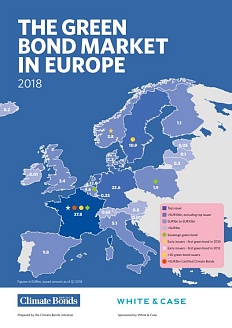
The Green Bond Market in Europe 2018

This report by the Climate Bonds Initiative looks at the evolution and the current state of the European green bond market.

Research
4 September 2020
Between Scylla and Charybdis - How Russian Regions are Coping With Pandemic Economic Consequences

Experts from the National Rating Agency present a study of the impact of the coronavirus pandemic and the restrictions against it on the economy of Russian regions. The study provides indicators of industrial production, examines the situation on the labor market, regional budget revenues and other aspects of the pandemic impact on regional economies.

Research
20 June 2018
Russian regions have become net lenders for financial institutions

ACRA research is devoted to Russian regions’ financial reserves and commercial debt.