KPMG consulting firms research is devoted to a comprehensive analysis of the consumer (customer) based on the companys own data collected from around the world and is intended to give a comprehensive picture of what determines customer behavior and choice today and how companies can adapt to the new reality.
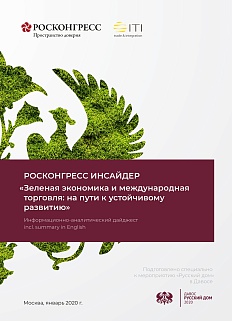
The Roscongress Foundation presents the salient points of the publication accompanied by fragments of broadcasts of relevant panel discussions from the business programme of international events held by the Roscongress Foundation.
The pandemic has accelerated the pace of implementation of plans in the areas of environmental, social and corporate governance (ESG) issues.
Employers had to adjust where and how their employees would stay and work. Supply chains had to adapt and restructure. However, the pandemic did not change, but even strengthened the focus on responsible consumption. According to the research, 80% of consumers prefer to buy goods and services from those brands whose actions correspond with their personal beliefs and values. And 90% of consumers are willing to pay more to a retailer or brand that adheres to ethical principles and contributes to society.
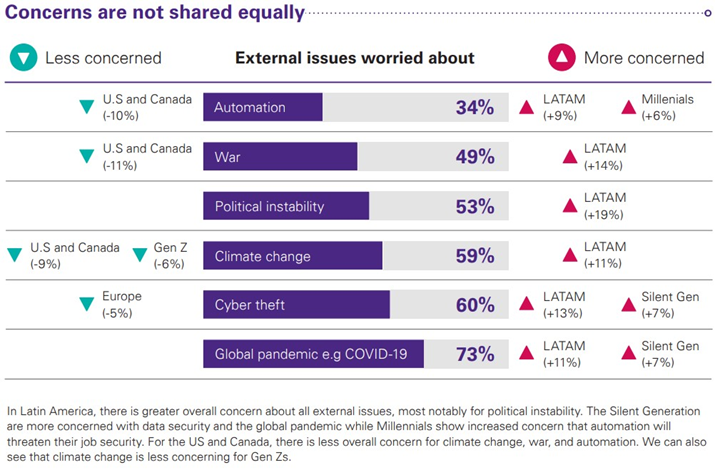
Nevertheless, the degree of consumer concern about a sustainable future varies. In the United States and Canada, for example, there is less concern about climate change than the average. Also, Generation Z is less concerned about climate change. In Latin America, however, consumers are 11% more worried about climate change, on average.
Video: https://roscongress.org/sessions/novaya-model-ekonomicheskogo-razvitiya-v-mire/search/#01:35:48.170
The degree of invasion of mobile devices and gadgets in the lives of consumers continues to grow.
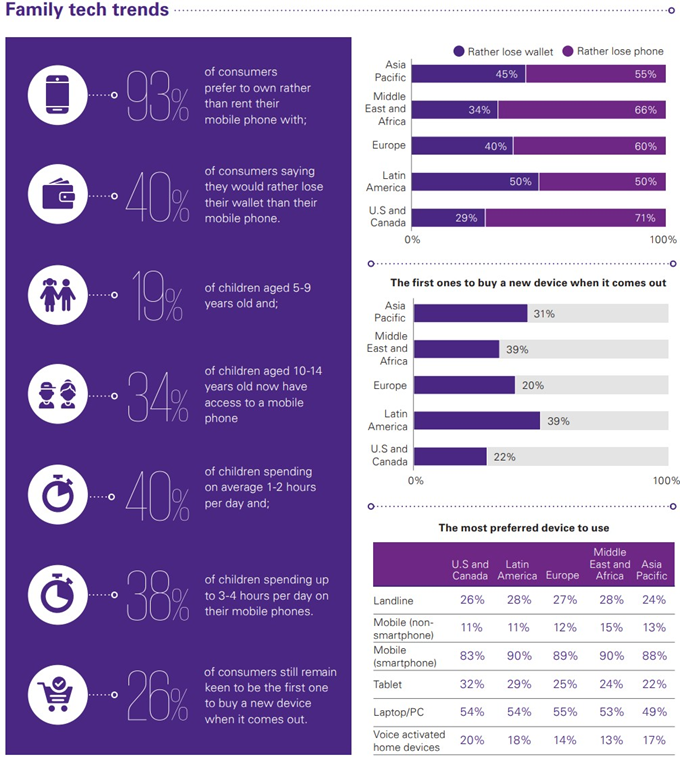
As calculations by the authors of the research show, 40% of consumers believe that it is better to lose their wallet than a cell phone. This proportion is especially high in Latin America (50%) and Asia-Pacific (45%). This fact exemplifies not only the technical and economic, but also the social importance of mobile communication as a tool of socialization.
In addition, 19% of children from 5 to 9 years old use their cell phones. There are about 34% of such children in the 1014 year old group. In addition, 40% of children spend about 12 hours on the phone, and 38% spend 34 hours. All this increases the importance of social communication via the Internet and accelerates the digitalization of processes.
In the pursuit of innovation, 26% of consumers tend to buy new devices as soon as they go on sale. This is especially true in Latin America (39%) and the Asia-Pacific region. The lowest percentage is in Europe and America. In this case, we are talking about smartphones first, and laptops and computers second.
The research uses data from the 2020 survey. The research involved 18,000 consumers from 16 countries, regions and jurisdictions, providing a truly global view of the course companies should set to offer customers the services they want, where they want them, and how they want them.
For more information, see the special sections of the Roscongress Foundation Information and Analytical System: COVID-19, Sustainable Development, Demographics, StayHomeEconomy, Consumer Sentiment devoted to describing trends of how people, their views and attitudes toward life are changing, primarily in a post-Covid world.