There has been a rising awareness of the importance of womens entrepreneurship and self-employment in the settlements, as well as the understanding of the relationship between gender equality in the legal industry and womens economic well-being.
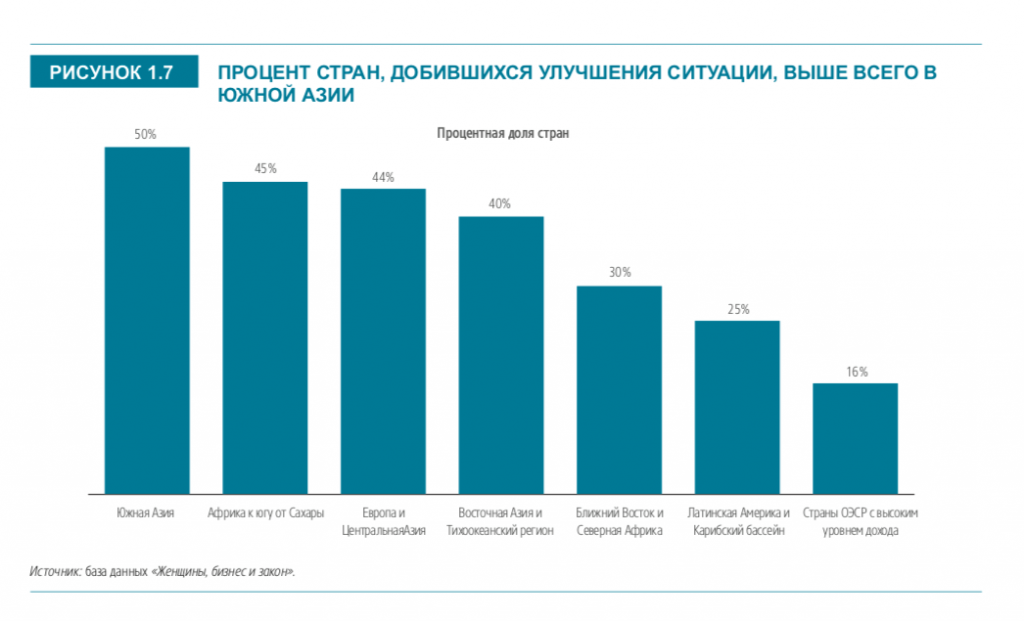
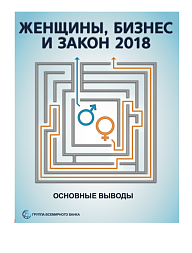
Over the past two years, many countries have undergone major reforms. In the employment sector, a quarter of all reforms occurred in Europe and Central Asia. The report analyzes the legal differentiation by gender in 25 countries in Europe and Central Asia, as 72% of countries have commissions that can receive complaints regarding gender discrimination, which is also the highest indicator compared to any other area of the world.
During the analysis of gender-based differences in rights, which includes data on 189 countries and on seven indicators: access to institutions, use of property, employment opportunities, creating the work incentives, access to credit, access to the judicial system and the protection of women from violence, experts came to a number of conclusions, establishing what the main sore points are.
Matters such as career growth, employment, entrepreneurship opportunities ‒ still do not correspond to the ideals of gender equality. Moreover, there are still various restrictions on work, specifically for women, including in high-wage sectors of the economy, which leads to a difference in income. In a number of economies, husbands have the possibility of banning their wives from working and this is codified by law.
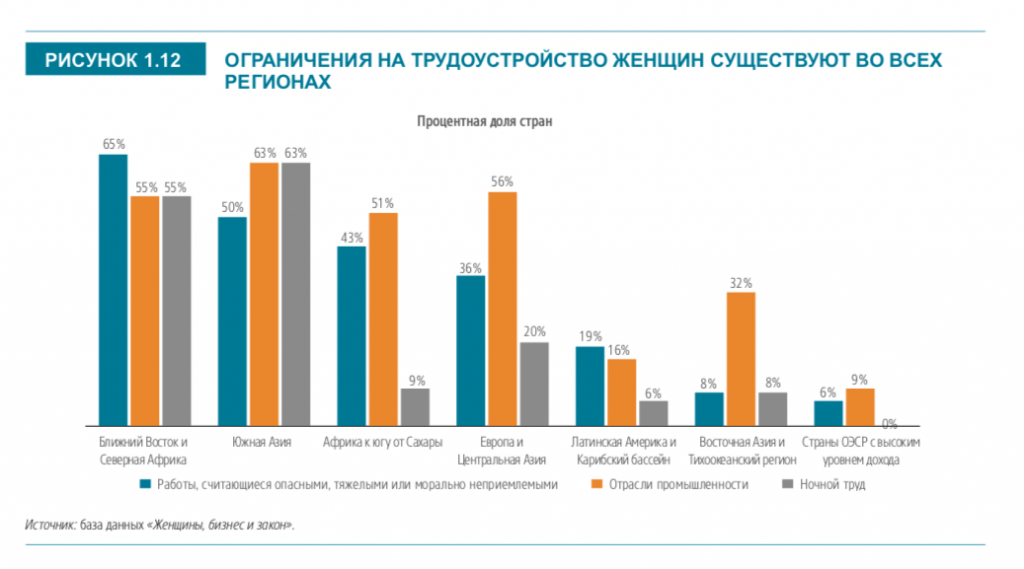
Absence of laws on sexual harassment, domestic violence, discriminatory policy of lenders based on gender, lack of criminal penalties for harassment; the lack of guarantees that upon returning to her job after parental leave for caring for a woman, the previous or comparable workplace will remain on no less favorable conditions than before the leave; no restrictions on the dismissal of pregnant employees; different rights in the area of inheritance ‒ all these points are repeated in a number of countries and do not allow us to talk about absolute gender equality.
At the same time, experts note that in countries that increase womens legal protection, the gap between mens and womens wages is narrowing, as does the gender gap in the labor force.
Over the course of the analysis of gender-based rights differences, a list of the most favorable countries was compiled, according to a larger number of indicators, including the United States, New Zealand, Spain, Canada and Australia. But, despite the high ratings in most indicators, the United States still got some low ratings, for example, regarding job opportunities and legislative guarantees of parental leave, equal for both men and women.
The lowest ratings were given to countries in which women are legally unable to travel outside the home or choose where to live: Saudi Arabia, Iran, Sudan, Qatar, and Yemen.